





















Earlier, we discussed emerging technology trends for 2026. Now, to likes of ChatGPT for healthcare trends. Generative AI in healthcare 2026 is much more than a buzzword. Today, this technology creates a miraculous shift in medical accuracy. Modern medicine is seeing a massive surge in smart automation. These systems analyze data to offer a superb patient experience. Doctors now have digital partners to help them work. These partners handle complex data while humans focus on care. This blog explores how Generative AI in healthcare 2026 is saving time. We will look at the latest breakthroughs and global news.

Breakthrough Use-Cases of Generative AI
Modern clinics are adopting ambient scribing to save time. These AI systems listen to doctor-patient talks in real-time. They automatically create high-quality medical notes for the doctor. This reduces the heavy paperwork burden on medical staff. Additionally, AI can now generate instant patient summaries. These documents highlight the most vital facts from long histories. Using these tools, clinicians can make decisions in seconds. Generative AI in healthcare 2026 is also revolutionizing drug discovery. It designs new molecules that can target rare diseases effectively.
4 Incredible Benefits of Smart Medical Tech
Benefits of AI in healthcare cost reduction: Automation saves hospitals billions annually.
Quick diagnosis and treatment: Faster data analysis means patients heal sooner.
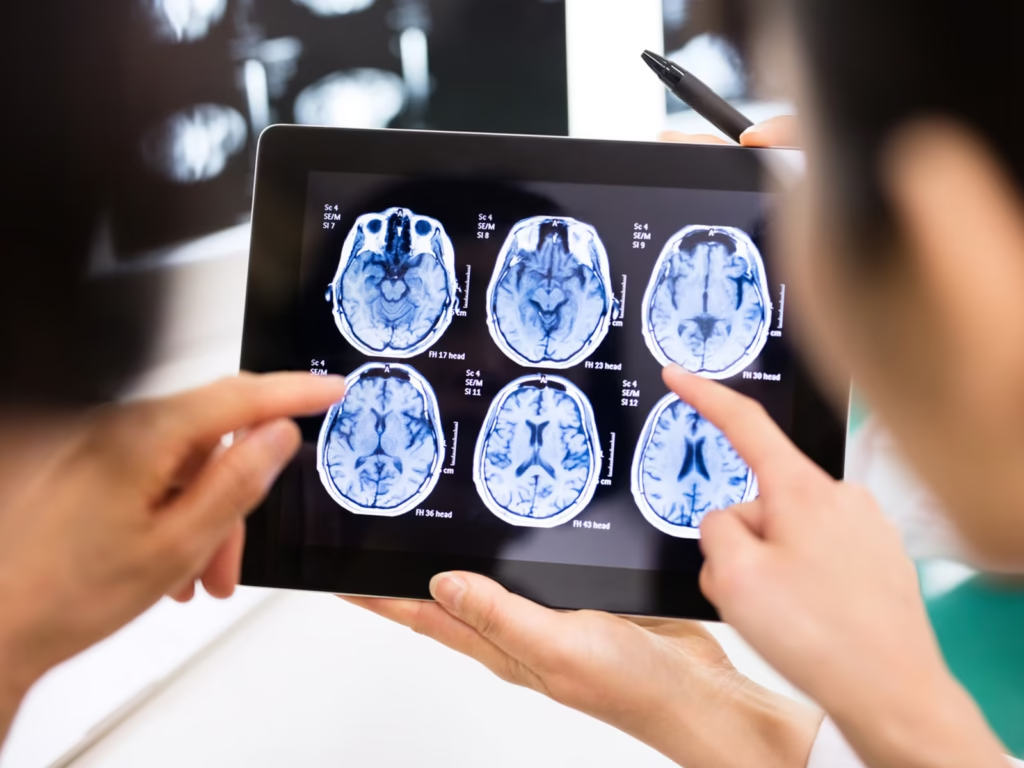
Medical imaging analysis agents: These tools scan MRIs with 95% accuracy.
Agentic AI healthcare use cases: AI now acts as a proactive care teammate.
Case Study: Remote Robotic Surgery in China
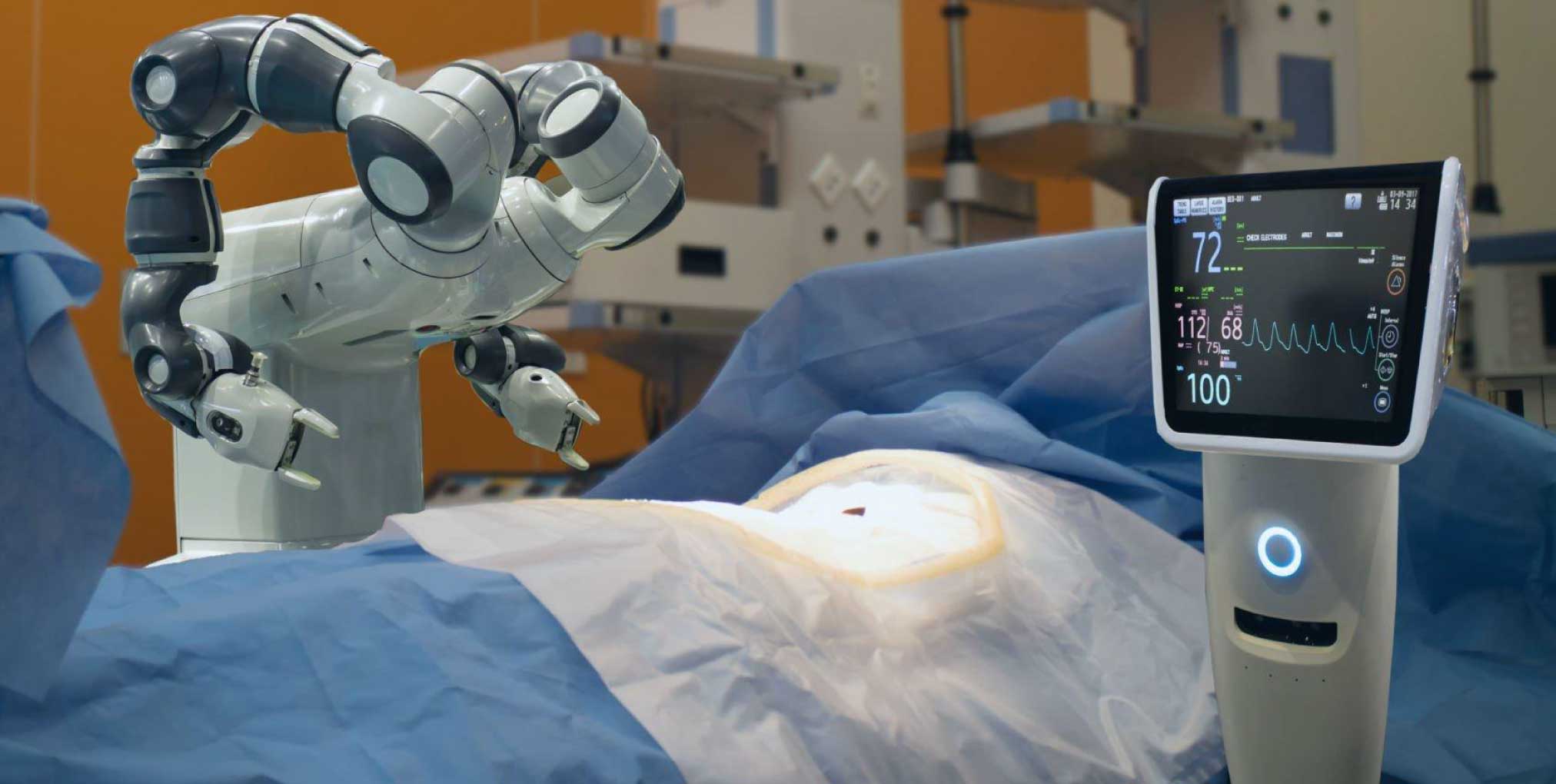
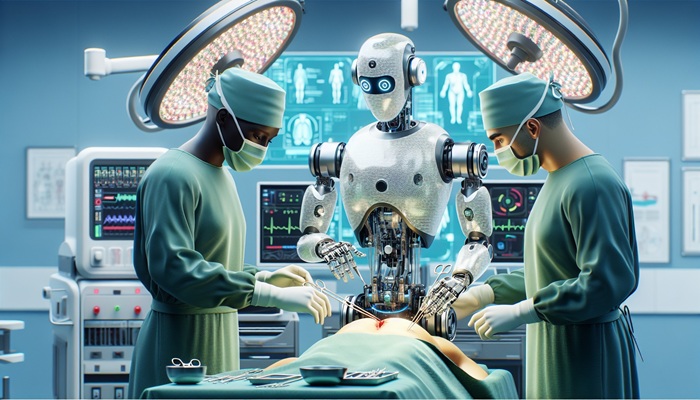
A remote operation by a doctor in China recently stunned the world. Using a satellite link, a surgeon operated from Beijing. The patient was over 3,000 kilometers away in Lhasa. This remote robotic surgery case study China proved distance is gone. The surgeon used a console to move robotic arms. High-speed signals ensured there was almost no lag time. Such robot-assisted surgery allows experts to help anyone, anywhere. It is a phenomenal leap for rural medical access globally.
Latest News on AI Medical Advancement
In early 2026, agentic AI became a standard tool. These systems don’t just talk; they take helpful actions. They can schedule follow-ups and order lab tests autonomously. Generative AI in healthcare 2026 is also powering digital twins. These are virtual models of a patient’s own body. Doctors use them to test treatments before the surgery. This ensures the highest safety levels for every single person.
Pros and Cons of Healthcare AI
| Quick diagnosis and treatment saves many lives. | Data privacy remains a high-priority concern. |
| Huge benefits of AI in healthcare cost reduction. | High costs for small clinics to start. |
| Ambient scribing prevents doctor burnout. | AI still needs human eyes for final checks. |
| Medical diagnosis accuracy is higher than ever. | Some patients may miss the human touch. |
Generative AI in healthcare 2026 Conclusion
The evolution of Generative AI in healthcare 2026 is truly inspiring. We see huge benefits of AI in healthcare cost reduction. Systems like ambient scribing are making hospitals much happier. Through quick diagnosis and treatment, we are beating diseases faster. While we must watch for bias, the progress is stellar. This technology is a bridge to a healthier future.
FAQ: Your Guide to 2026 Health Tech
1. How does ambient scribing work for my doctor?
The AI listens to your talk and writes notes. This lets the doctor look at you, not screens.
2. What are the benefits of AI in healthcare cost reduction?
It cuts down on errors and speeds up office work. These benefits of AI in healthcare cost reduction lower bills.
3. Is AI medical diagnosis accuracy reliable?
Yes, AI often spots tiny patterns that humans miss. High AI medical diagnosis accuracy is now very common.
4. Can I see patient summaries of my own data?
Most modern patient portals now offer these clear summaries. They help you understand your health journey better.
5. Tell me more about the remote operation by a doctor in China.
It used 5G and satellites to bridge huge distances. This remote operation by a doctor in China was successful.
6. What are typical agentic AI healthcare use cases?
An agent might track your vitals via a watch. It can then book an appointment if it sees trouble.
7. Does Generative AI in healthcare 2026 replace nurses?
No, it simply removes the boring paperwork from them. It gives them more time to care for you.
#GenerativeAI2026 #MedTech #FutureOfHealth #HealthInnovation #AIHealthcare
What is your take on AI-written medical notes? Would you trust a robot for your next scan? Let us know below!