





























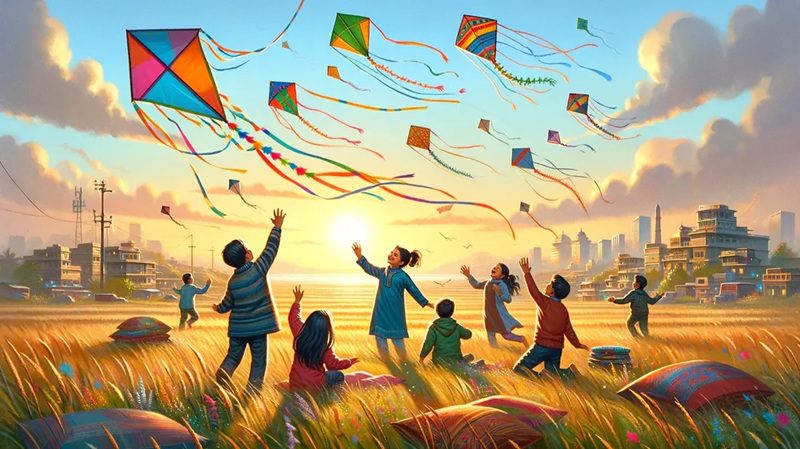
Makar Sankranti is more than just a festival of kites. It’s a profound celebration rooted in Uttarayan and Mythology. This auspicious day marks the sun’s journey northward. It signifies a period of reconciliation and new beginnings. It’s a time when many celebrate celestial harmony and offer thanks.
Uttarayan and Mythology: The Sun God and His Son
The most celebrated legend revolves around Lord Surya, the Sun God. He visits his son, Lord Shani, the Planet Saturn, on this day. Their relationship was historically strained. But this visit symbolizes forgiveness and paternal love. It beautifully transforms bitterness into sweetness.
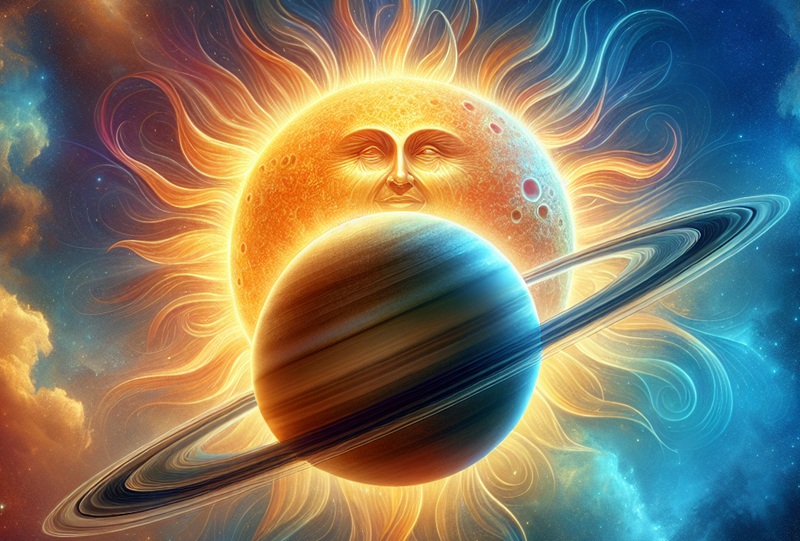
This celestial event marks the sun’s entry into the Makara Rashi, the Capricorn zodiac. It’s a vibrant testament to family bonds. People exchange Til-Gul, a sweet made of sesame and jaggery. This tradition encourages us to let go of old grudges. It promotes universal love and understanding. This day also connects to the Surya-Siddhanta. This ancient astronomical text details the sun’s movements.
Bhishma Pitamah’s Sacred Departure
Another compelling story comes from the epic Mahabharata. The great warrior Bhishma Pitamah lay on a bed of arrows. He had the boon of Iccha Mrityu. This meant he could choose his moment of death. He patiently waited for Makar Sankranti. This specific day, Uttarayan, was considered supremely auspicious.
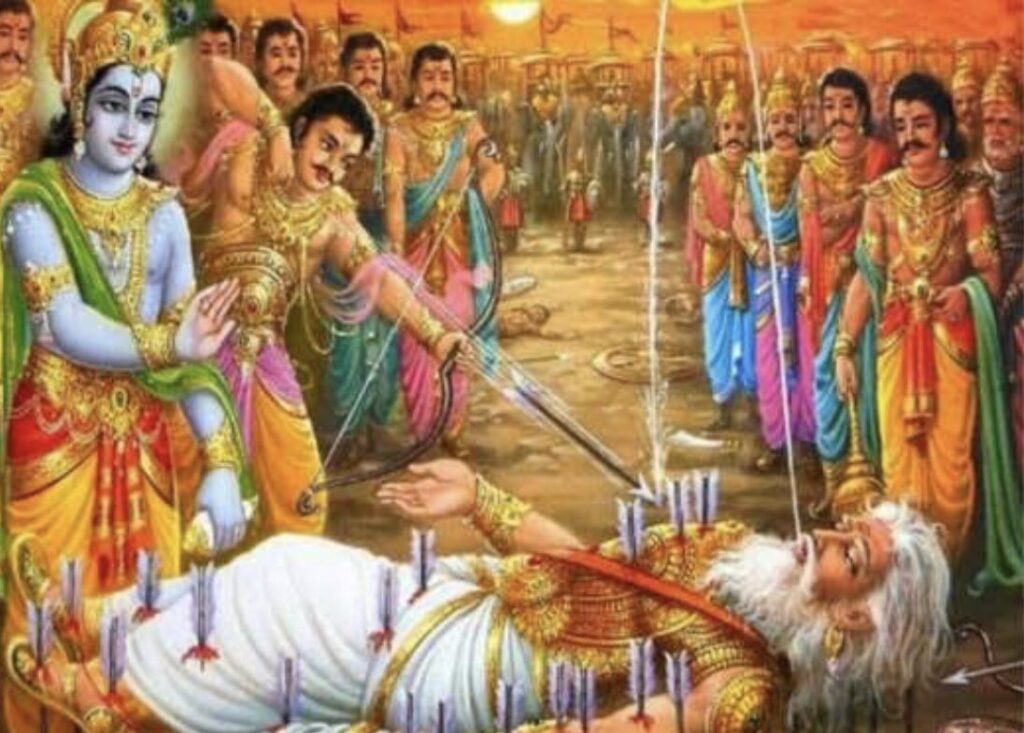
Dying during Uttarayan ensured salvation and liberation from the cycle of rebirth. His departure was a moment of profound purity of the soul. It was a testament to his unwavering Dharma. This transition of consciousness signifies hope and spiritual ascension. It teaches us about the power of intentional living.
The Sacred Descent of Ganga
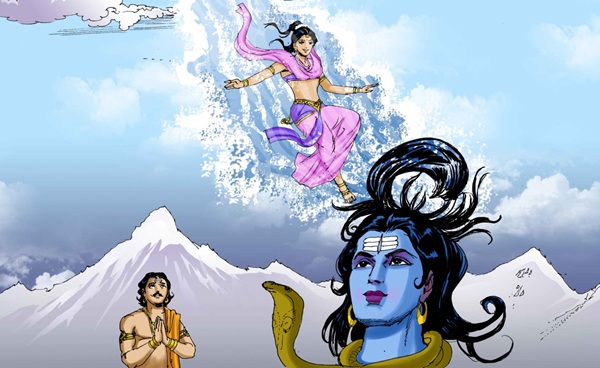
The mighty Goddess Ganga also made her descent on Makar Sankranti. This event is vital in Uttarayan and Mythology. King Bhagiratha performed intense penance. His efforts brought Ganga down to earth. She purified the ashes of King Sagara’s 60,000 sons. This act granted them ancestral liberation. The convergence of Ganga and the ocean at Ganga Sagar is especially holy. Pilgrims take a holy dip there. This symbolizes purification and redemption. It washes away sins. This narrative underscores the importance of selfless devotion. It highlights the power of sacred waters.
Makar Sankranti is a joyous celebration. It’s filled with golden hues and crisp winter air. It inspires gratitude and inner radiance. The festival encourages acts of charity and devotion. It’s a time for renewing vows. It reminds us of new beginnings. We look towards an upward flight, much like the kites. This day bridges ancient wisdom with modern joy. It’s a truly remarkable festival.
Uttarayan and Mythology: Frequently Asked Questions
Q1: What is the main significance of Makar Sankranti?
A1: Makar Sankranti signifies the sun’s northward journey, Uttarayan. It marks the end of winter and the beginning of longer days. It’s also a time for thanksgiving and celestial harmony. Many stories of Uttarayan and Mythology are celebrated.
Q2: Why do people eat Til-Gul during Makar Sankranti?
A2: People exchange Til-Gul to encourage reconciliation. It transforms bitterness into sweetness in relationships. It promotes goodwill and peace among everyone.
Q3: Which gods are primarily associated with Makar Sankranti?
A3: Lord Surya (the Sun God) and Lord Shani (Saturn) are closely associated. Goddess Ganga also plays a crucial role in its mythology.
Q4: What is the meaning of “Uttarayan”?
A4: Uttarayan refers to the sun’s northward movement. It is considered an auspicious period. It’s believed to be favorable for spiritual growth.
Q5: Is Makar Sankranti celebrated similarly across India?
A5: While the core significance remains, celebrations vary. Different regions have unique customs and names for the festival. It is a diverse and rich cultural event.
Q6: How does Bhishma Pitamah’s story relate to Makar Sankranti?
A6: Bhishma Pitamah chose this auspicious day for his death. It ensured his salvation. His story highlights the spiritual importance of Uttarayan.
Q7: Where is the Ganga Sagar pilgrimage located?
A7: Ganga Sagar is where the Ganges River meets the Bay of Bengal. It is a significant pilgrimage site. Many take a holy dip there.
What aspects of Makar Sankranti’s Uttarayan and Mythology resonate most with you? Share your thoughts below!
For more Mythological Stories, click here.







**mitolyn**
Mitolyn is a carefully developed, plant-based formula created to help support metabolic efficiency and encourage healthy, lasting weight management.
Il ventesimo secolo si chiude con un boato letterario grazie all’ultimo volume della Century Trilogy. I giorni dell’eternità non è solo un romanzo, ma un documento vivido delle passioni e delle tragedie che hanno segnato l’era moderna. Se siete alla ricerca del file epub, state per imbarcarvi in un viaggio emozionante che vi terrà compagnia per molte ore. La facilità di lettura su dispositivi elettronici esalta la struttura complessa del libro, permettendovi di seguire le molteplici sottotrame senza confusione. Dalle battaglie per la libertà sociale alle intrigate manovre di spionaggio, ogni elemento è calibrato per offrire il massimo coinvolgimento al lettore appassionato di storia. https://igiornidelleternitaepub.site/ I Giorni Dell’eternità Amazon
1xbet 1xbet .