























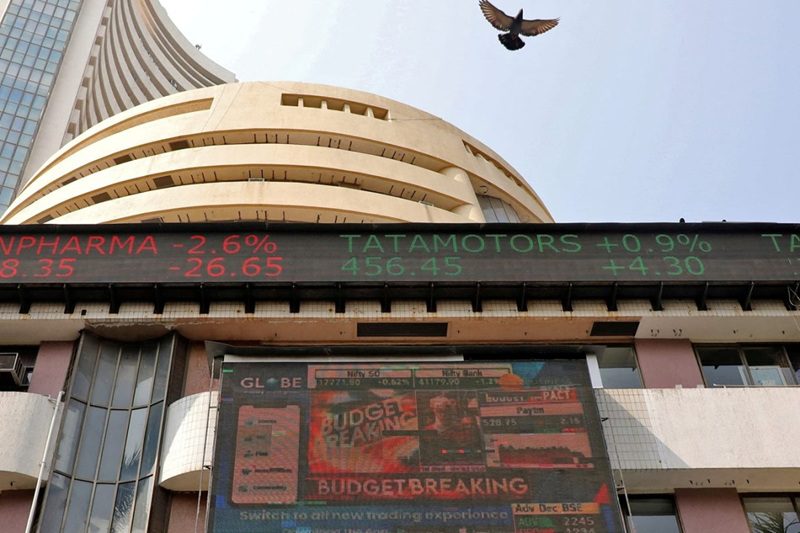
3 Reasons Why Today Might Be the Turnaround for Indian Markets
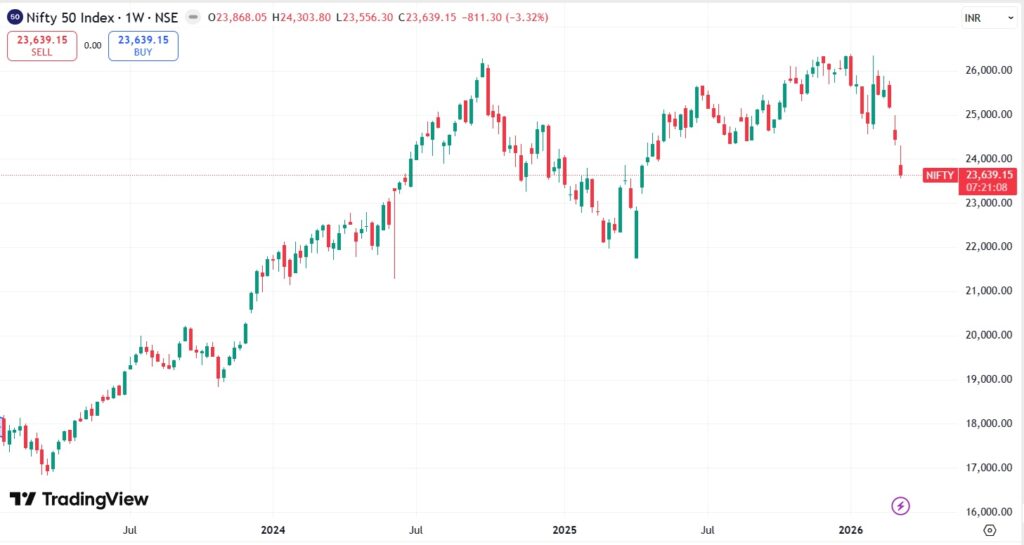
Falling Markets in Geopolitical Turmoil have left many investors feeling quite anxious this week. The Nifty 50 has endured a rocky ride, sliding nearly 10% from its January highs. Today, however, we see the index hovering around the crucial 23,500 to 23,550 technical zone. This specific level represents a significant structural base where buyers historically step in. Market capitalization has eroded by over ₹15 lakh crore in just a few sessions. Such a sharp decline often leads to “oversold” conditions on technical charts. While the red screens look scary, this could be the temporary bottom we need.
Understanding the 2026 Market Correction
“Falling Markets in Geopolitical Turmoil” is driven by a mix of factors. Brent crude oil prices recently spiked toward $120 per barrel due to Middle East tensions. India imports 85% of its oil, so this puts massive pressure on the rupee. The Indian rupee recently hit a record low of ₹92.35 against the US dollar. Foreign Institutional Investors (FIIs) have pulled out over ₹40,000 crore this month alone.
Geopolitics vs. Market Technicals
How much of this “Falling Markets in Geopolitical Turmoil” pain due to global conflict versus internal charts?
Geopolitical Stress (70%): The Strait of Hormuz tensions have triggered a massive risk-off sentiment globally.
Technical Factors (30%): Nifty failed to sustain above its 200-day moving average near 25,200.
Despite the chaos, the Relative Strength Index (RSI) is now dipping below 30. This suggests that the “Falling Markets in Geopolitical Turmoil” may have exhausted the immediate sellers.

How the Falling Rupee Adds to the Market’s Pain
The sharp decline of the Indian rupee to record lows near ₹92.40 significantly worsens the “Falling Markets in Geopolitical Turmoil.” When the currency weakens, it creates a “double whammy” for foreign institutional investors (FIIs) who manage global funds. These investors see their returns shrink twice: once from falling stock prices and again from the exchange rate loss. This creates a vicious cycle of selling to protect their dollar-denominated capital.
Furthermore, a weaker rupee inflates the cost of critical imports like crude oil and electronic components. This “imported inflation” squeezes the profit margins of Indian companies, forcing analysts to downgrade earnings expectations.
Falling Markets in Geopolitical Turmoil: Where is the Market Headed?
If the 23,500 support holds today, given “Falling Markets in Geopolitical Turmoil” we might see a dead-cat bounce toward 24,000. Investors should watch the India VIX, which has surged above the 22 level. High volatility usually precedes a market floor, making today a pivotal day for traders given Falling Markets in Geopolitical Turmoil.
“Market timing is difficult, but structural support levels often provide the best risk-reward entries.”
FAQ: Navigating the 2026 Correction
1. Why is the Indian stock market falling today?
The fall is primarily due to rising crude oil prices and heavy FII selling.
2. What is the key support level for Nifty 50?
The immediate and strongest support is currently placed between 23,500 and 23,400.
3. Is this a good time to buy the dip?
For long-term investors, staggered buying in high-quality blue chips may be a sound strategy.
4. How does the US-Iran conflict affect my portfolio?
It increases input costs for sectors like Aviation, Paints, and Logistics, hitting their margins.
5. When will the market stabilize?
Stability usually returns once crude oil prices cool down and FII selling tapers off.
6. Which sectors are safest right now?
Defensive sectors like IT, Pharma, and FMCG often perform better during high-volatility periods.
For more business news, click here
#StockMarketIndia #Nifty50 #Investing #Geopolitics #MarketUpdate