





















Republic Day History serves as a powerful reminder of India’s democratic journey. This day honors the Indian Constitution Origins, linking its legal weight to our sovereignty. Most citizens look for Republic Day Facts to understand this national transition. Truly, the January 26 Historical Significance remains unmatched in our nation’s timeline.
The Deep Roots of Republic Day History
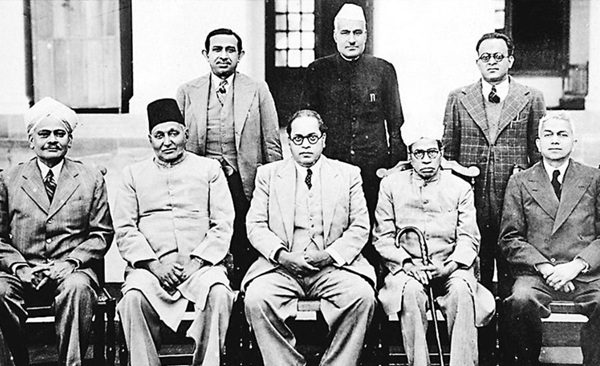
If you study the Republic Day History, you will understand that India did not become a republic immediately after gaining independence. Our nation initially remained under the Government of India Act 1935. Leaders wanted a document that reflected homegrown values and inclusive ideals. Consequently, the Drafting Committee worked tirelessly to create a unique legal framework. This transition marked our departure from Dominion Status toward complete self-rule. It transformed a former colony into the world’s largest democracy.
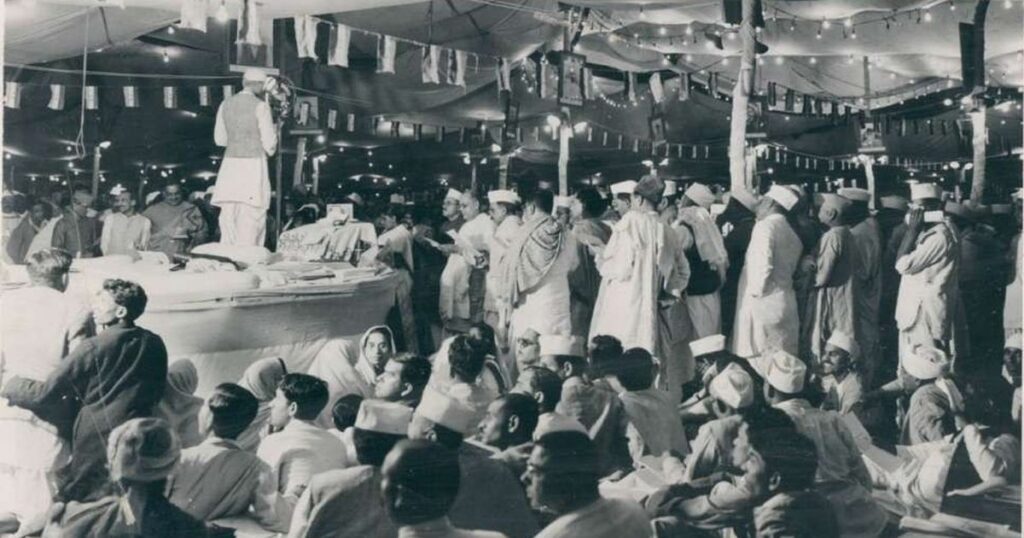
Understanding January 26 Historical Significance
Why did our leaders choose this specific date in 1950? The answer lies in the Purna Swaraj declaration of 1930. During that Lahore session of Congress, patriots pledged for total independence from British rule. By selecting January 26, the founders honored that brave revolutionary spirit. “Why was January 26 chosen for Republic Day?” is a common question today. It bridges the gap between colonial struggle and modern governance perfectly in Republic Day History.
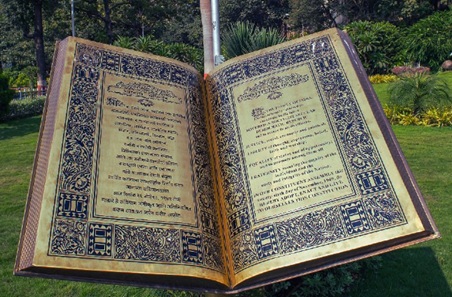
Republic Day History: Exploring Indian Constitution Origins
The Indian Constitution Origins reveal incredible dedication and artistry. Did you know it was entirely handwritten by Prem Behari Narain Raizada? Among the “Unknown facts about the Indian Constitution,” its calligraphy stands out most. The original copies were not printed or typed in any way. They were beautifully decorated by artists from Shantiniketan. This document remains the longest handwritten constitution on the entire planet.
-

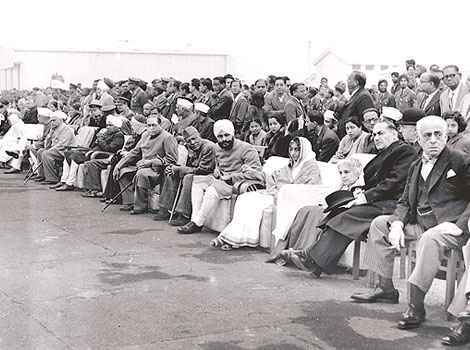
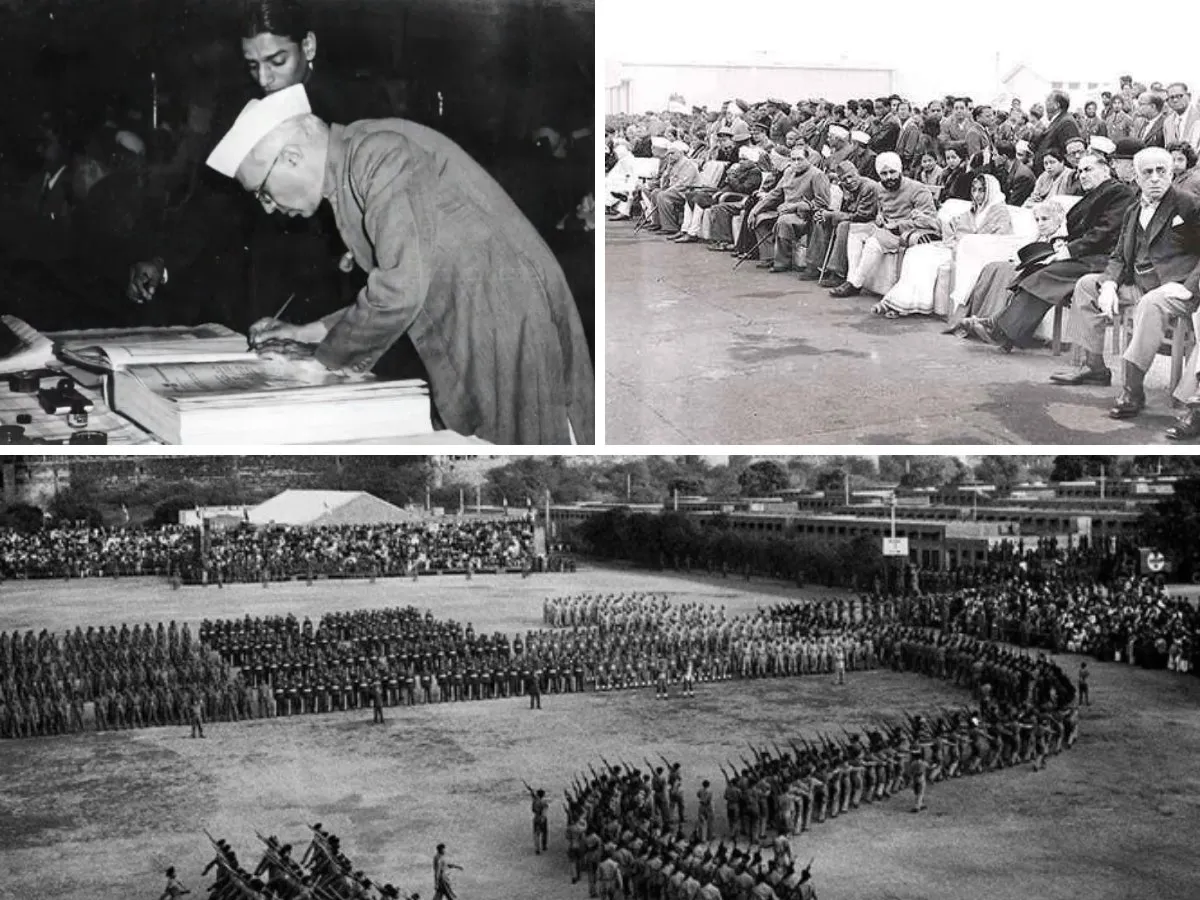
- 1st republic day parade
-
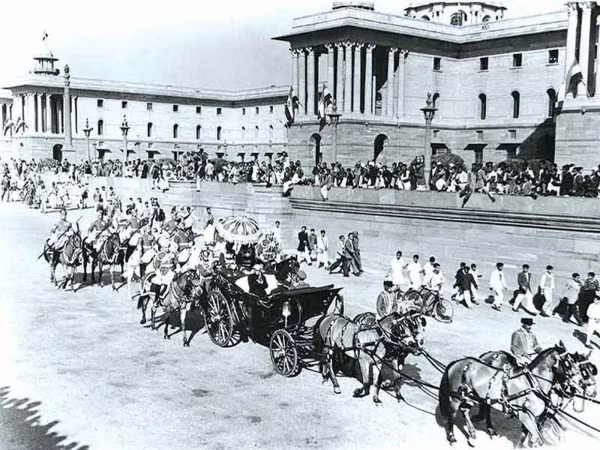
- 1st republic day parade
-
- 1st republic day parade
Quick and Surprising Republic Day Facts
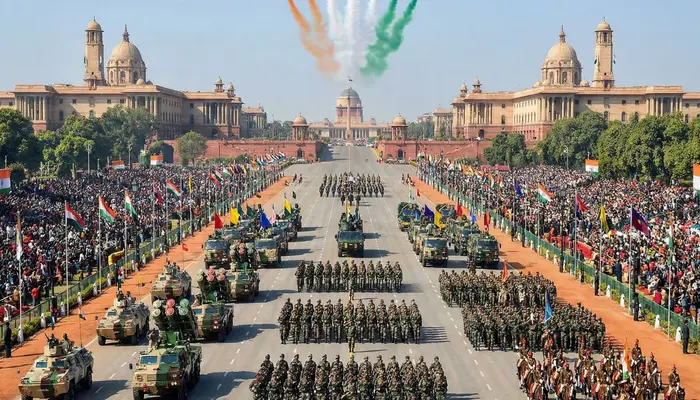
If you want Republic Day Facts, look at the early celebrations. The First Republic Day Parade 1950 was quite a different affair. Instead of Rajpath, it took place at the Irwin Stadium. President Dr. Rajendra Prasad took his oath there before a massive crowd. “Who was the chief guest at the first Republic Day parade?” is another great trivia point. The Republic Day History says that it was President Sukarno of Indonesia, signifying strong Asian solidarity.
Evolution of the Celebration
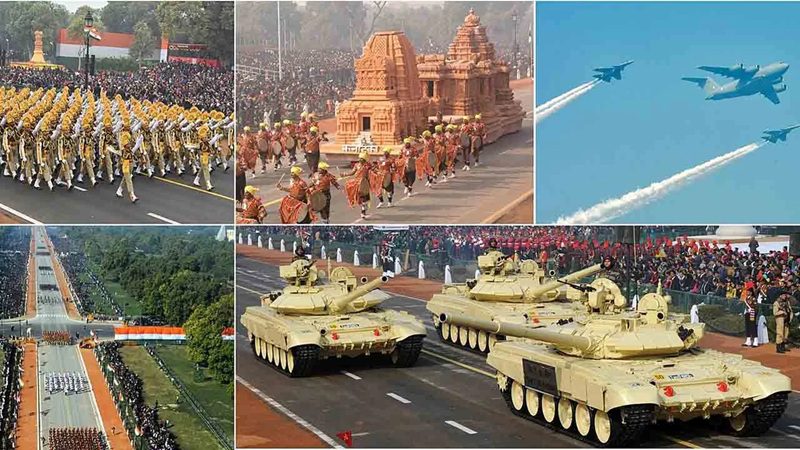
The Rajpath history (Kartavya Path) as a parade venue began later. Initially, venues shifted between Red Fort and Ramlila Maidan. In 1955, the parade finally found its permanent home on Rajpath. Today, the 21-gun salute echoes through the air during the festivities. The Amar Jawan Jyoti also stands as a symbol of eternal sacrifice. Finally, the Beating Retreat Ceremony officially concludes the three-day-long national event.
Republic Day History: Conclusion
Studying Republic Day History helps us appreciate our shared freedom. We honor the Drafting Committee for their inclusive and visionary work. From Purna Swaraj to the First Chief Guest, every detail matters. Let us cherish the Indian Constitution Origins as we celebrate today.
FAQs About Republic Day History
1. Why was January 26 chosen for Republic Day?
It commemorates the 1930 Purna Swaraj declaration for total independence.
2. What are some unknown facts about the Indian Constitution?
It is the world’s longest handwritten document, featuring intricate Shantiniketan art.
3. Who was the chief guest at the first Republic Day parade?
President Sukarno from Indonesia attended the historic 1950 ceremony.
4. Where was the First Republic Day Parade 1950 held?
The inaugural parade occurred at Irwin Stadium, now known as National Stadium.
5. What is the significance of the Beating Retreat Ceremony?
This ceremony marks the official end of Republic Day festivities on January 29.
6. How did India move away from the Government of India Act 1935?
The adoption of the Constitution replaced that colonial-era act with sovereign laws.
7. Are there interesting anecdotes from the 1950 Republic Day celebrations?
Yes, President Dr. Rajendra Prasad rode in a traditional horse-drawn carriage.
What is your favorite Republic Day memory or family tradition? Please share your stories in the comments below!
For More Such Blogs, Click Here
#RepublicDay #IndianHistory #ConstitutionOfIndia #January26 #PurnaSwaraj #IndiaRepublicDay