
























On March 14, 2026, the global geopolitical stage is defined by a harrowing contrast: a kinetic, high-intensity war in West Asia and a fragile, “pre-war” tension in East Asia. As the world watches both theaters, the interconnectedness of global energy, technology, and military strategy has never been more apparent. Turmoil of West Asia Spills to East Asia.
West Asia: A Region in the Crucible of War
The conflict in West Asia, now entering its third week, has escalated beyond the initial localized skirmishes into a direct and devastating confrontation between regional powers and global interests, as Turmoil of West Asia Spills to East Asia.
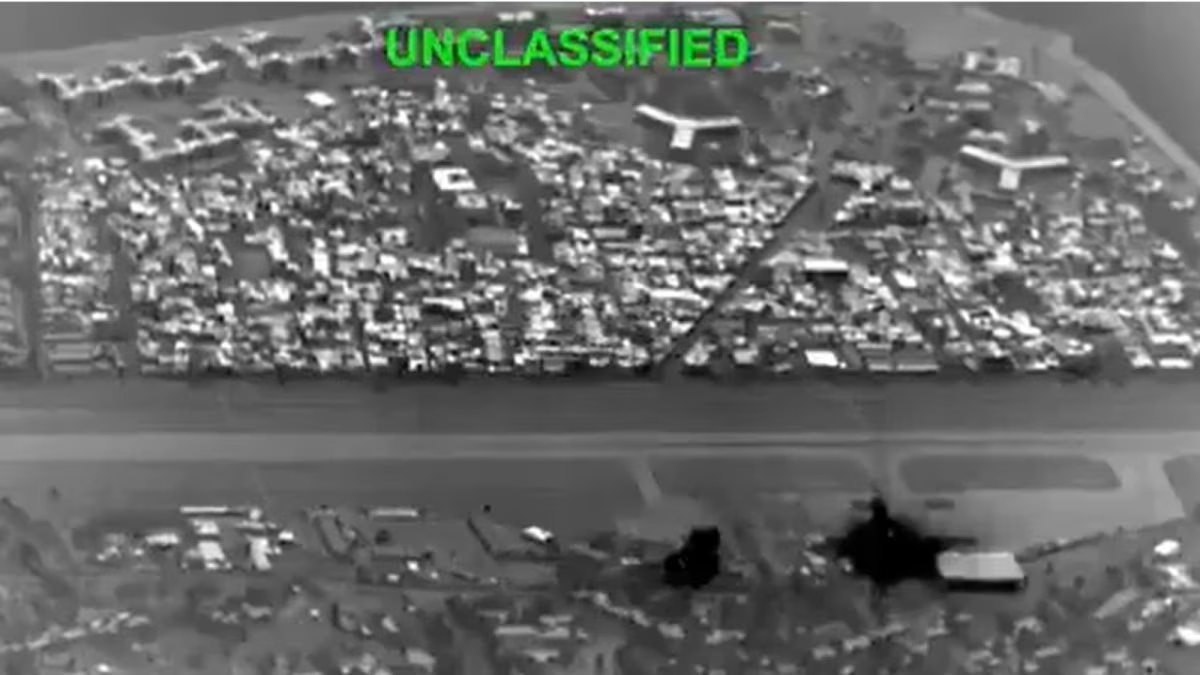
The Campaign in Iran: Following the death of Supreme Leader Ayatollah Ali Khamenei in recent strikes, his son, Mojtaba Khamenei, has been elevated to lead a “defiant” Iranian regime. Today, the U.S. and Israel targeted Kharg Island, Iran’s primary oil export terminal, in an attempt to cripple the state’s economic lifelines.
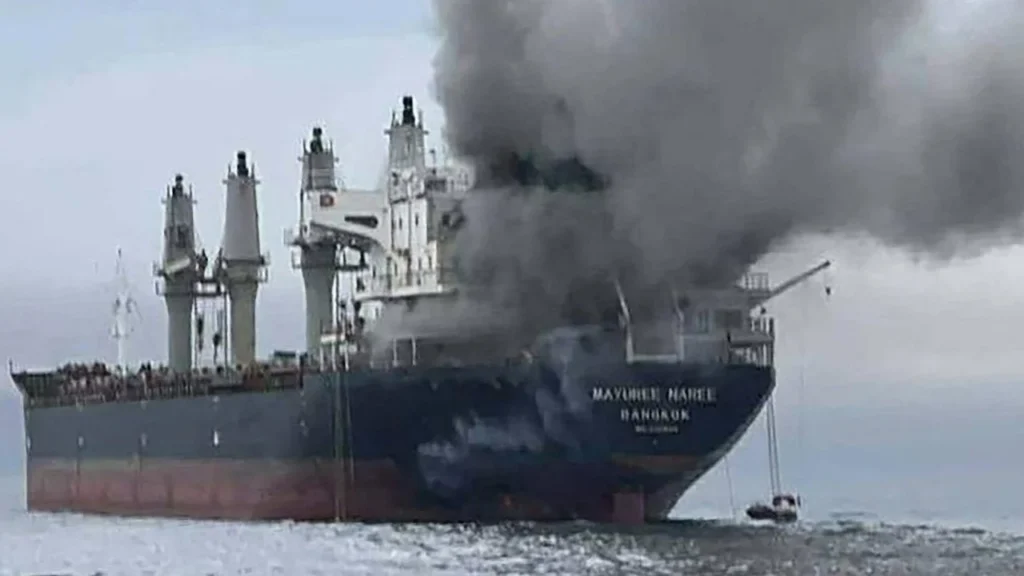
The Siege of Chokepoints: Iran has functionally closed the Strait of Hormuz, a move that has sent shockwaves through global markets. While Tehran claims it does not intend a permanent blockade, the use of naval mines and “mosaic defense” tactics has made the route nearly impassable for commercial vessels.
Regional Spillover: The war is no longer contained within Iranian borders. Ballistic missile and drone strikes have reportedly hit targets across 11 countries, including the UAE and Saudi Arabia. Today, Iran warned UAE residents to evacuate port areas, labeling them “legitimate targets” due to the presence of U.S. military interests.
East Asia: The Shadow of Escalation
While West Asia is engulfed in flames, East Asia is witnessing a strategic “tightening” that many analysts fear is a precursor to a second front of global conflict, as Turmoil of West Asia Spills to East Asia.
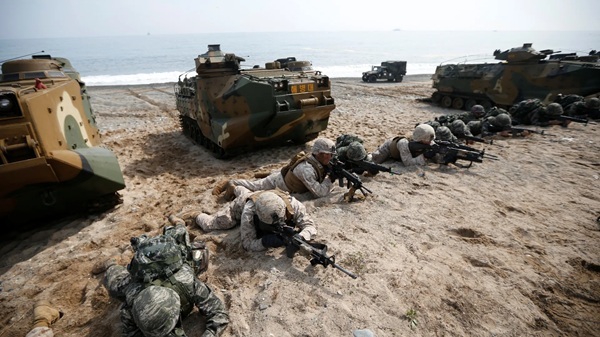
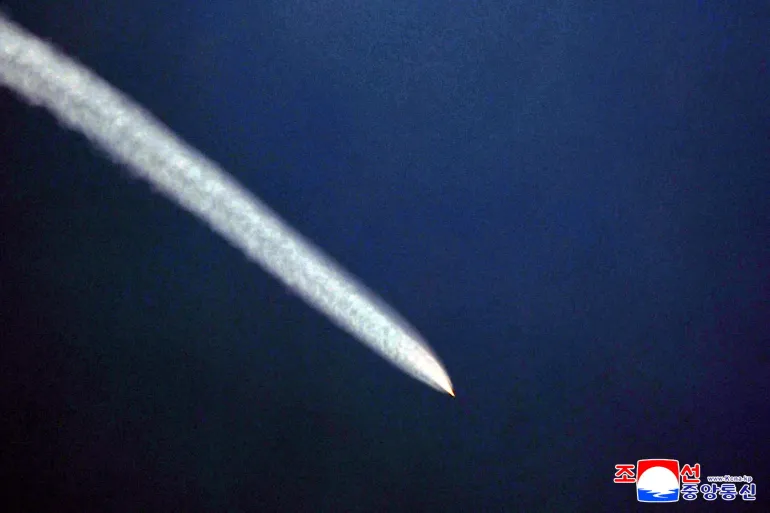
North Korea’s “Barrage Diplomacy”: Pyongyang today launched approximately 10 ballistic missiles toward the Sea of Japan. Fired from the Sunan area, these missiles traveled roughly 350 kilometers. This unusually high volume of fire is a direct response to the ongoing U.S.-South Korea “Freedom Shield” military exercises and serves as a reminder of North Korea’s nuclear readiness. Truly, Turmoil of West Asia Spills to East Asia.
The Taiwan Strait Laboratory: Observers note that the Taiwan Strait has been transformed into a “laboratory of hegemony.” Constant patrols, multinational overflights, and China’s experimentation with cognitive warfare—using drones to transmit false aircraft signals to confuse radar—have turned the “Status Quo” into a regime of managed, high-stakes tension, as Turmoil of West Asia Spills to East Asia.
Economic Realignment: Faced with the West Asian energy crisis, China has ramped up its diplomatic signaling. While condemned by the West, Beijing has secured safe passage for Chinese-flagged ships through the Strait of Hormuz, highlighting a shifting hierarchy in global maritime security.
The Synthesis: A World Divided
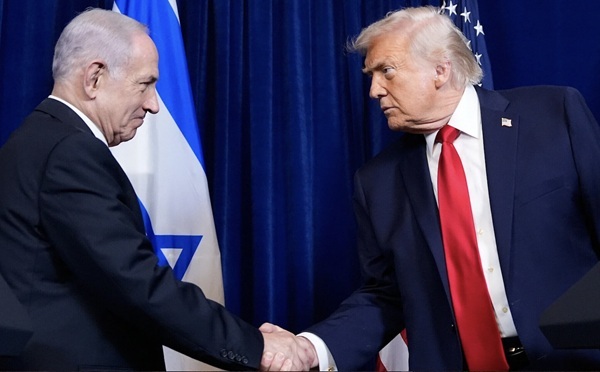
The events of March 14, 2026, demonstrate a world where the old rules of deterrence are being rewritten. In the West, military domination is being met with decentralized, asymmetric resistance. In the East, the “routine” of military exercises is becoming so dense that the line between a drill and an opening salvo is becoming dangerously thin, as Turmoil of West Asia Spills to East Asia.
The primary concern for global leaders tonight is the “Dual Front” scenario. If the instability in the Gulf continues to drain Western military resources, the temptation for a decisive move in the Pacific may become the defining challenge of the decade.
Frequently Asked Questions
1. Why does the “turmoil of West Asia spills to East Asia” affect gas prices?
East Asian economies rely heavily on crude oil passing through the Middle East. Any disruption there causes immediate price hikes at local petrol pumps, as Turmoil of West Asia Spills to East Asia.
2. How are semiconductor shortages linked to West Asian instability?
The logistics of shipping raw materials become complex during high-intensity maritime conflicts. This delay slows down the production of essential microchips in Taiwan, as Turmoil of West Asia Spills to East Asia.
3. Is there a risk of a “Two-Front” war scenario in 2026?
Strategic analysts worry that diverted military focus could trigger opportunistic escalations. Diplomats are working overtime to ensure communication channels remain open, as Turmoil of West Asia Spills to East Asia.
4. What role does the “Green Hydrogen Corridor” play in peace?
By diversifying energy sources, nations reduce their dependence on volatile conflict zones. This shift creates a more stable, decentralized global power grid.
5. How are inclusive diplomatic efforts changing the 2026 landscape?
New summits now include voices from smaller, often overlooked developing nations. Their participation ensures that peace treaties benefit everyone, not just superpowers.
6. Can digital currency stabilize markets during regional unrest?
Some experts suggest that decentralized finance offers a hedge against traditional currency crashes. However, volatility remains a significant concern for most institutional investors.
7. What is the “Pacific Tech Shield” agreement of 2026?
It is a pact between Japan, Korea, and ASEAN to secure tech. They aim to prevent supply chain collapses during global geopolitical emergencies.
As turmoil of West Asia Spills to East Asia, what do you think is the best way for nations to maintain peace during these times? Share your thoughts in the comments below!
For more current affairs, click here
#Geopolitics2026 #WestAsia #EastAsia #GlobalPeace #EnergySecurity #TechShield