































We have meticulously reviewed eighteen diverse National Flags across three compelling parts so far. Our journey began with historical classics like Denmark’s Dannebrog and France’s influential Tricolour, showcasing foundational designs. Next, we explored extreme designs, from Switzerland‘s rare square flag to Canada’s unique 1:2 ratio. Most recently, we analyzed complex symbolism on such powerful National Flags as South Africa‘s vibrant unity banner and Saudi Arabia’s sacred text-bearing cloth. This global exploration continues to reveal deep history and identity in every colorful design.
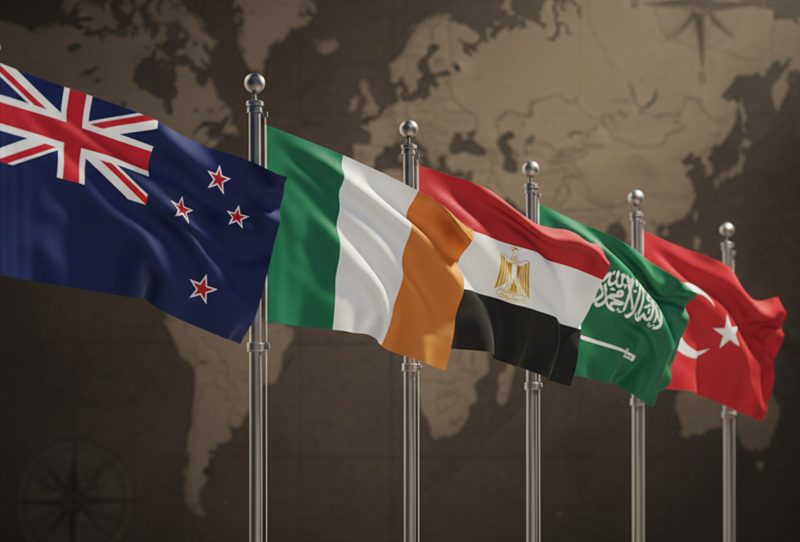
For this segment, Part Four, we cross oceans and continents again to focus on six more globally recognized National Flags: New Zealand, Spain, Ireland, Egypt, Saudi Arabia, and Turkey. Prepare to discover the stories behind their distinctive emblems, colors, and official specifications!
Details about National Flags
New Zealand: The Stars of the South

The National Flag of New Zealand features a Union Jack, acknowledging its Commonwealth history, and four red stars on the fly side. These stars form the Southern Cross constellation, a crucial navigational aid in the Southern Hemisphere. Interestingly, this 1:2 rectangular flag was officially adopted in 1902. A 2016 referendum ultimately resulted in New Zealanders voting to retain this historic National Flags design over a new one.
Spain: A Royal Banner
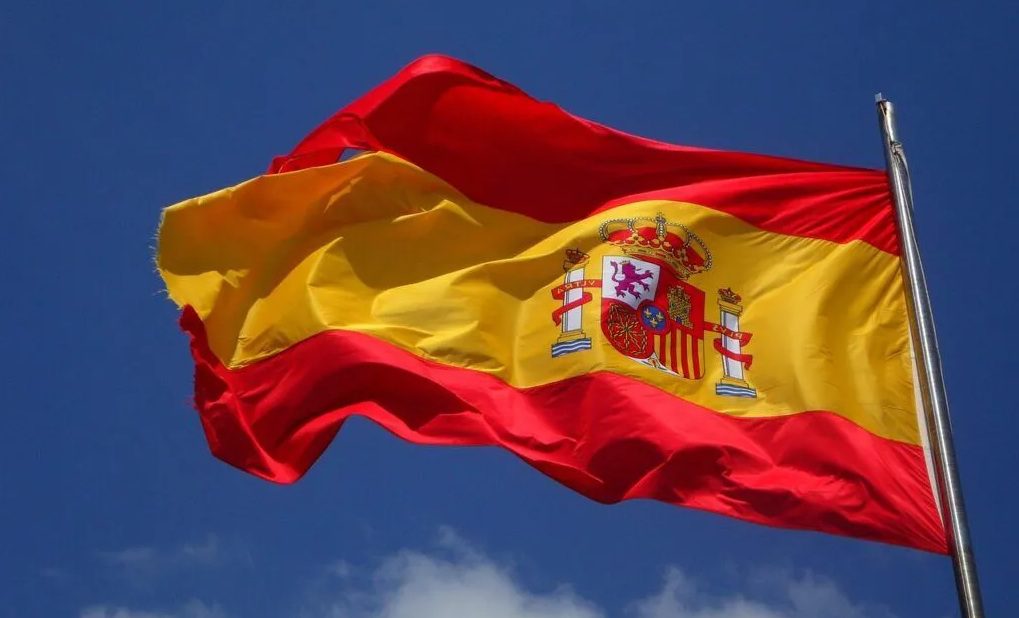
The Spanish National Flag, or La Rojigualda, features three horizontal bands: red, a wider yellow band, and red, with the coat of arms shifted towards the hoist. The thick yellow stripe, known as the franja gualda, occupies half the flag’s width. Its modern 2:3 rectangular form was officially codified in 1981, although the colors date back to a 1785 naval design. The coat of arms on this National Flags contains symbols representing historic Spanish kingdoms.
Ireland: The Green, White, and Orange
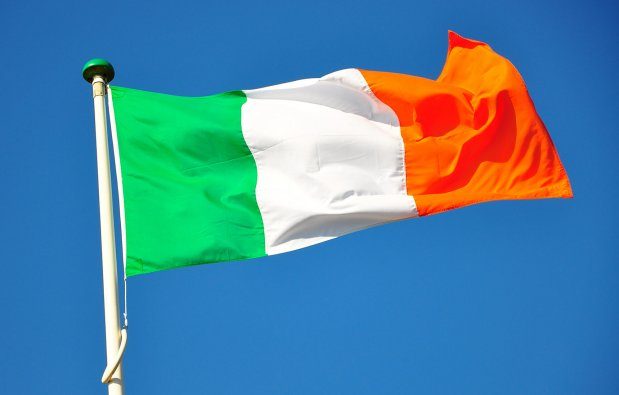
The Irish National Flag is a vertical tricolour featuring green, white, and orange bands, each equal in size. The green represents the older Gaelic tradition and Catholics, while the orange stands for the country’s Protestants. The white band in the center symbolizes the lasting peace sought between these two traditions. Although flown unofficially earlier, this visually appealing 1:2 rectangular National Flags was formally adopted in 1919.
Egypt: The Eagle of Saladin
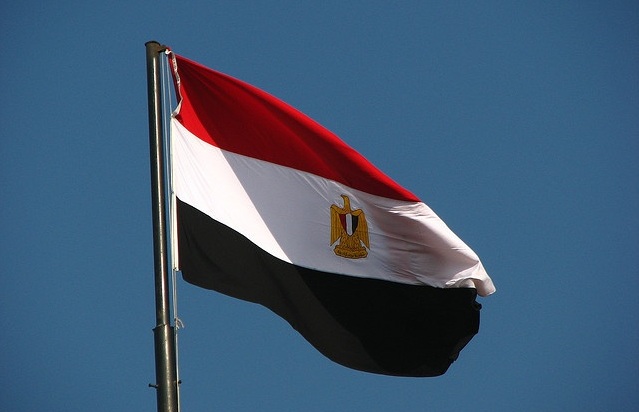
The Egyptian National Flag is a horizontal tricolour of red, white, and black, representing the revolutionary past that led to the republic. Red stands for the period before the Revolution, white symbolizes the bloodless nature of the Revolution itself, and black denotes the end of oppression. Centered on the white stripe is the golden Eagle of Saladin, a powerful symbol of Arab unity. This 2:3 rectangular flag was officially adopted in 1984.
Saudi Arabia: A Sacred Text

The National Flag of Saudi Arabia is unique because it features a sacred text, the Shahada (the Muslim declaration of faith), written in white Arabic script on a green field. The green symbolizes Islam. The white sword beneath the script represents justice and is a key national symbol. Due to the presence of the Shahada, this 2:3 rectangular National Flags must always look correct. Therefore, the reverse side is an exact duplicate, meaning two flags are sewn together.
Turkey: The Star and Crescent
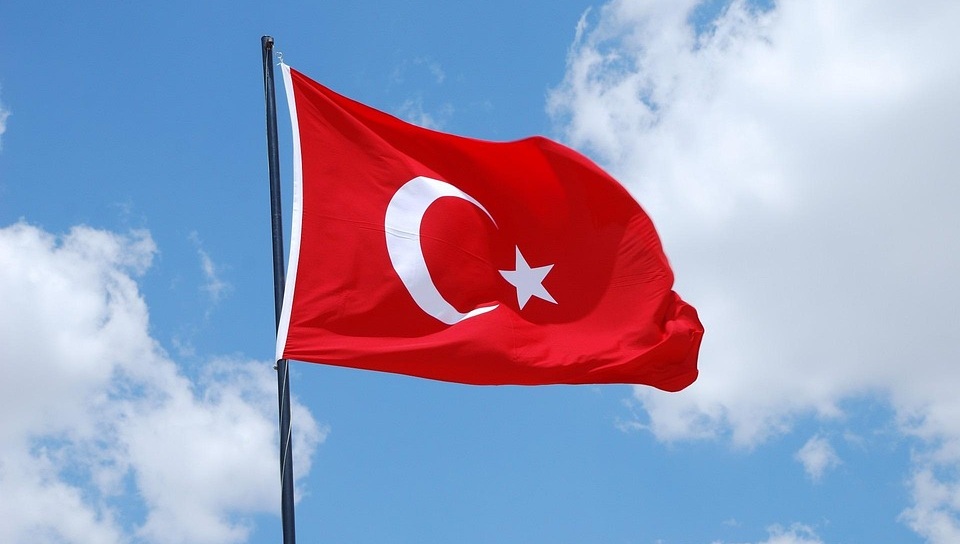
The Turkish National Flag, or Ay Yıldız (Moon Star), is one of the world’s most enduring and recognizable designs. The red color symbolizes the nation’s historical struggle, and the white star and crescent are traditional symbols often associated with Islam and sovereignty. Though its design lineage is ancient, the official dimensions of this 2:3 rectangular National Flags were definitively fixed by law in 1936. This flag’s design has profoundly influenced other flags globally.
FAQs About National Flags
What is unique about the construction of the Saudi Arabian National Flag?
Due to the sacred Arabic inscription, the flag is constructed so that the text reads correctly from both sides, often achieved by stitching two identical flags together.
What does the white stripe on the Irish National Flag represent?
The central white stripe symbolizes the truce and hope for lasting peace between the Green (Gaelic/Catholic) and the Orange (Protestant) communities.
What is the aspect ratio of the New Zealand National Flag?
The flag of New Zealand, like Australia’s, uses the longer $1:2$ aspect ratio.
National Flags: Our Review of Enduring Symbols
This group of National Flags offers a captivating look at flags that incorporate deep history, from sacred texts to astronomical features. The commitment to precise ratios, such as the common $2:3$ and the longer $1:2$ of New Zealand and Ireland, ensures these powerful symbols retain their visual integrity.
Which one of these historically rich National Flags do you think has the most influential design? Share your insights and comments below as we continue our series!
Would you like me to generate a feature image (16:9 aspect ratio) for this fourth blog post?
#NewZealandFlag, #SpainFlag, #IrelandFlag, #EgyptFlag, #SaudiArabiaFlag, #TurkeyFlag, #NationalFlags, #FlagSymbols, #SouthernCross, #SacredText, #Vexillology, #FlagFacts, #GlobalIdentity









r8wkma